
Description
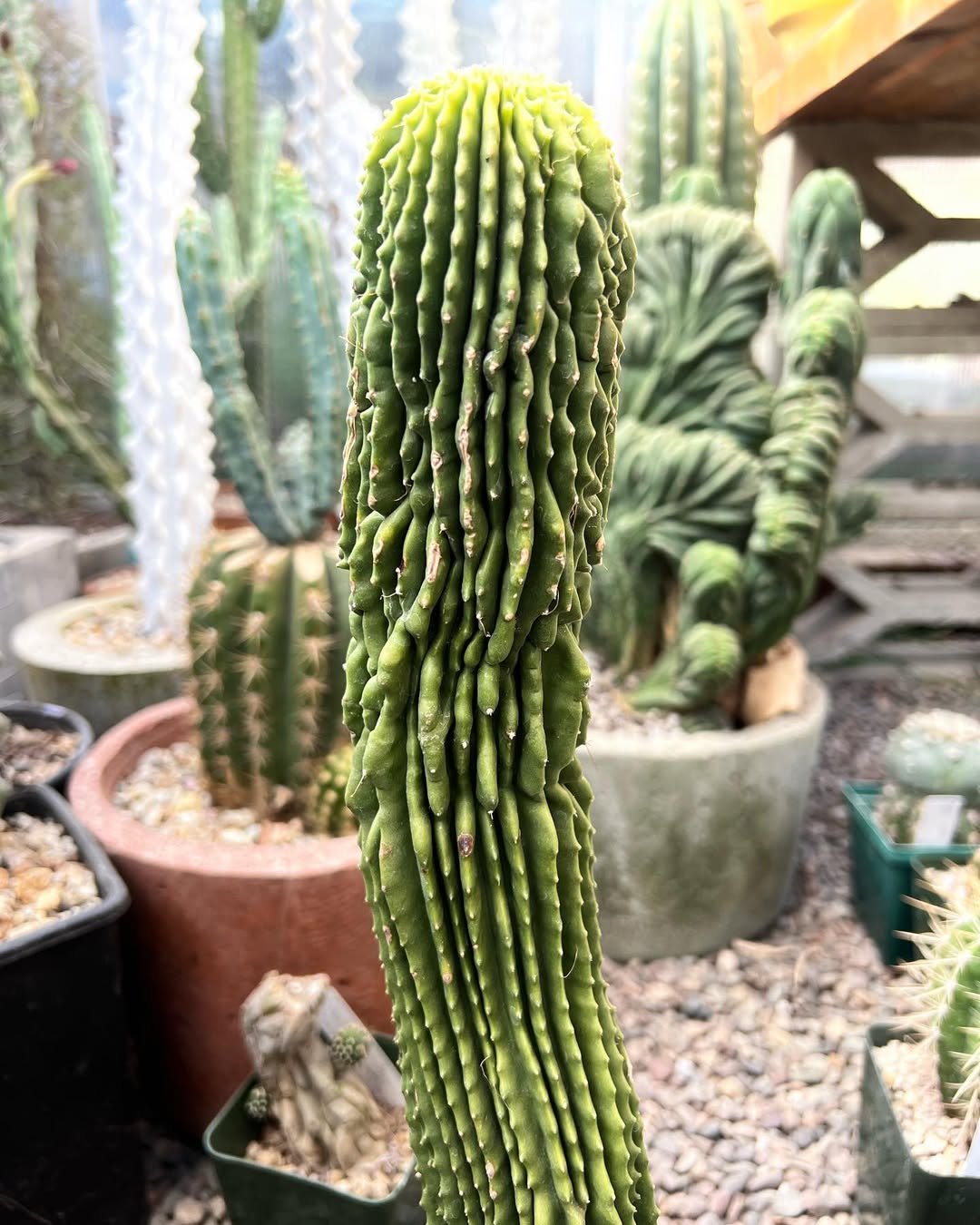
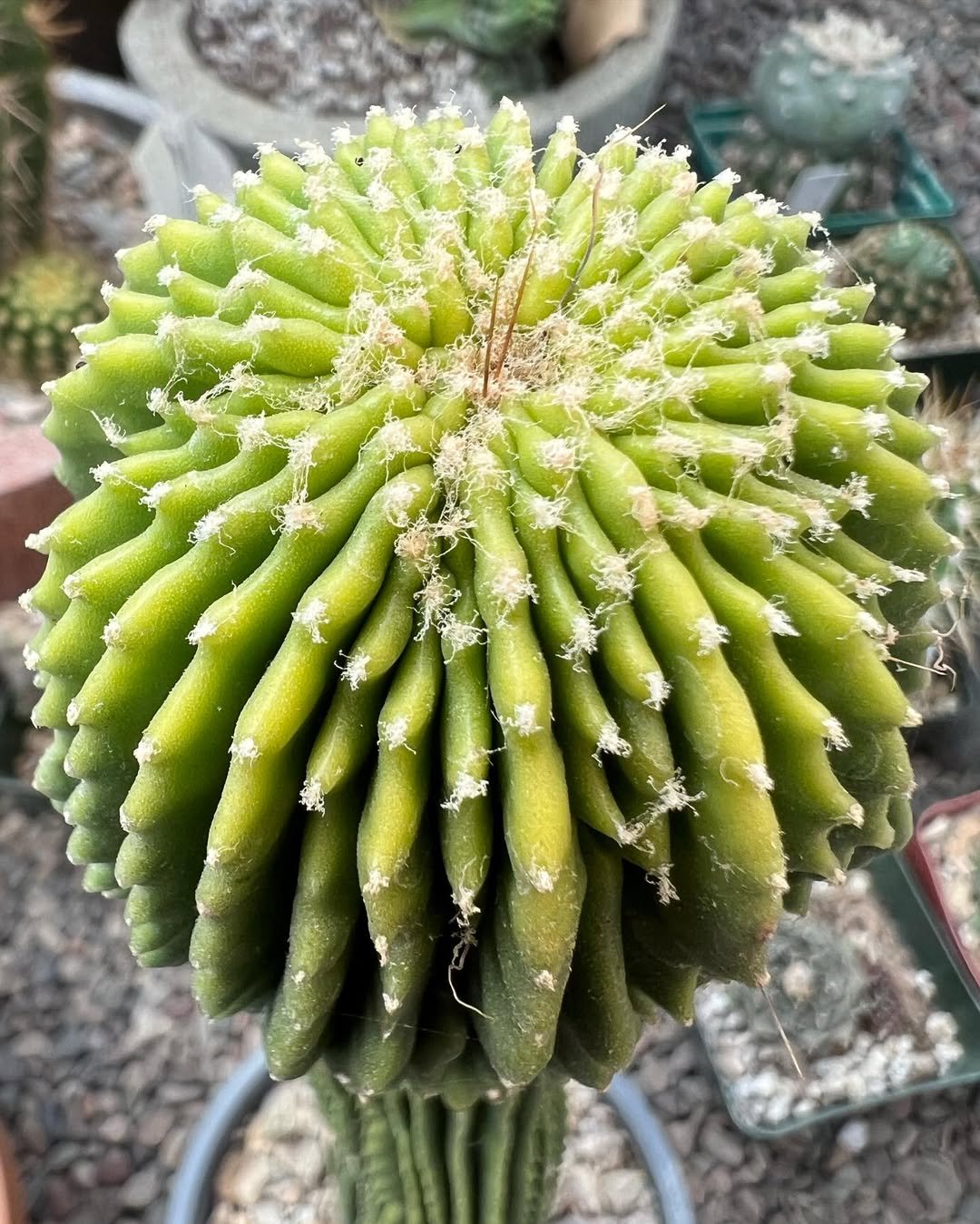
Spineless Saguaro (Neobuxbaumia polylopha inermis)
The Spineless Saguaro cactus, often sold under the name Neobuxbaumia polylopha inermis, is a striking columnar cactus prized in horticulture for its tall, tree-like shape and complete absence of spines. Although its nickname suggests a relationship to the true Saguaro (Carnegiea gigantea), it is actually a different species native to the desert regions of Mexico but its towering growth habit makes the comparison understandable.
Below is a detailed and educative overview of the species, its characteristics, growth patterns, and care requirements.
1. Classification
-
Scientific name: Neobuxbaumia polylopha f. inermis
-
Common names: Spineless Saguaro cactus, Spineless Neobuxbaumia
-
Family: Cactaceae
-
Genus: Neobuxbaumia
-
Origin: Central Mexico (Hidalgo, Querétaro, Guanajuato)
The term “inermis” means “without spines,” referring to the spineless form or cultivar of the naturally spiny Neobuxbaumia polylopha.
2. Physical Description
Neobuxbaumia polylopha inermis is a tall, elegant cactus characterized by:
Growth Habit
-
Can reach 30–50 feet (9–15 meters) in the wild
-
Slower and smaller in cultivation, typically 6–10 feet in home settings
-
Single, straight column that may eventually branch with age
Ribs
-
Typically 12–18 ribs, deeply defined and symmetrical
-
Smooth surface due to the absence of spines
Coloration
-
Blue-green to deep green, depending on age and light exposure
-
Attractive, clean, sculptural appearance
Because of its tall, architectural shape, it is popular among collectors of rare or ornamental cacti.
3. Flowers and Fruit
Although rare in cultivation, mature plants may produce:
Flowers
-
Small, tubular, creamy white
-
Night-blooming or early morning blooming
-
Pollinated by bats in their natural habitat
Fruit
-
Bright red, containing numerous small seeds
-
Edible to wildlife
Indoor or potted plants may take decades to reach flowering maturity.
4. Care Requirements
Light
-
Prefers full sun
-
Requires at least 6 hours of direct light daily
-
Can be acclimated gradually to stronger sun to avoid sunburn
Water
-
Water deeply but infrequently
-
Allow soil to completely dry between waterings
-
In winter, water very sparingly
Temperature
-
Warmth-loving: prefers 70–95°F (21–35°C)
-
Cannot tolerate freezing temperatures; protect from frost
Soil
-
Well-draining cactus mix
-
Adding pumice, perlite, or coarse sand improves drainage
Fertilizer
-
Light cactus fertilizer during the growing season (spring summer)
-
Avoid overfeeding; slow growers do not require much
5. Growth Rate and Potting
Neobuxbaumia polylopha inermis is slow-growing, especially during the first years. However, once established, its growth rate may accelerate.
Potting Tips:
-
Use a sturdy pot (clay or ceramic recommended)
-
Repot every 2–3 years or when roots outgrow the container
-
Provide stake support for young, tall specimens
6. Conservation and Ethical Cultivation
In the wild, many large columnar cacti face threats from:
-
Overharvesting
-
Habitat loss
-
Illegal collection
Therefore, collectors should purchase only nursery-grown, legally propagated plants from reputable growers or botanical nurseries.
Reviews
There are no reviews yet.